
Walk the Old Roads, Claim New Wisdom
Today we set our compass by Heritage Trails for Seasoned Explorers, embracing paths where footsteps meet scholarship, endurance, and empathy. Expect layered histories, living communities, and terrain that rewards experience. Bring your curiosity, your patience, and your respect for places whose stories are older than most maps you carry.

Gearing Up for Deep-Time Journeys
Let archives guide your stride. Compare historic maps with modern satellite layers to spot vanished bridges, reforested commons, and possible fords. Browse regional museum catalogs, parish records, caravan logs, and shipping manifests to trace motives for movement. Seek local librarians, heritage wardens, and elders; their anecdotes often reveal safer crossings, unwritten protocols, and weather quirks no guidebook dares to summarize.
Some paths cross sacred precincts, conserved habitats, or private holdings layered with obligations. Contact councils, tribal authorities, custodians, and monastery offices well in advance. Understand photography restrictions, visiting hours, and seasonal ceremonies. A courteous email or phone call may open gates that bureaucracy keeps closed, while impatience can sour relationships and jeopardize everyone’s access for seasons yet to come.
Pack for change, not comfort alone. Layered clothing, blister-proof socks, and soles that grip shale and slick cobbles matter as much as a humble field notebook. Carry water discipline, a compact repair kit, and storm protection. Favor neutral colors, quiet zippers, and a respectful silhouette that blends into villages, shrines, and ruins where reverence speaks more eloquently than gear labels.
Trading Corridors Reimagined
Walk where camel bells once kept time with markets. Seek caravanserais reborn as inns, and weigh stations turned into roadside chapels. Interpret wheel ruts beside modern guardrails and read graffiti as freight records. Notice how customs houses became museums that quietly catalogue the old choreography of duty, trust, and risk across climates, currencies, and the unpredictable temper of politics.
Pilgrimage Paths with Quiet Power
Not every mile is loud with relics. Many are hushed with intention. Follow scallop shells, way shrines, and votive ribbons through forests where hospitality remains a practiced craft. Even seasoned walkers find humility where faith traditions intersect, and where the path obliges you to match local rhythms, accept bread freely given, and listen before adding your own footsteps’ prayer.
Reading Landscapes Like Archives
Stonework, Mortar, and Time
Examine chisel scallops, quarry seams, and mortar grain like a conservator with muddy boots. Lime blends change across centuries, revealing repair campaigns and political budgets. Spot re-used lintels flipped for strength, and keystones carrying mason’s sigils. Each wall becomes a ledger, recording who paid, who patched, and why an arch learned to bear one distraction more than expected.
Ecology as Evidence
Plants remember where people walked. Nettles mark nutrient-rich dwellings, thyme prefers sunlit stones, and willows point toward old water management. Look for pioneer species colonizing disturbed ground and fungi thriving in abandoned cellars. Birds reroute around human absence, bees return to terrace bloom, and the chorus of insects hints at how long a pathway has slept between seasons.
Voices of Place
Oral history colors gaps that documents leave pale. Share tea with a caretaker, linger near a communal oven, and ask what the road once carried when wagons sang. Record with permission, spell names correctly, and offer copies back. Respect silences. Some stories are offered only when you’ve proven you’ll protect them like a well-tended spring hidden by reeds.
Safety and Ethics for Experienced Feet
Risk Management Beyond Basics
Study evacuation routes, not only scenic exits. Learn to assess rockfall angles, heat mirages, and river braids that change by afternoon. Practice decision points before you’re tired. Commit to turning back without ego when weather, injury, or uncertainty stacks. Seasoned does not mean invulnerable; it means your judgment has more miles on it than your bravado deserves.
Cultural Protocols that Matter
Cross thresholds with care. Ask before entering courtyards, remove shoes where floors are storied, and dress so elders feel at ease sharing directions. Avoid drones near shrines and livestock. When gifted food, receive it with both hands and gratitude. Languages learned to say please, thank you, and permission quietly smooth more paths than brand-new boots ever could.
Travel Light, Leave Lighter
Minimalism becomes stewardship when you carry out more than you bring in. Use refill systems, repair gear instead of replacing, and pack tape that mends both straps and trail signs. Brush crumbs away from historic thresholds, scatter rest spots, and keep conversations soft. Your passage should register like wind on grass, present but unwilling to bend what endures.
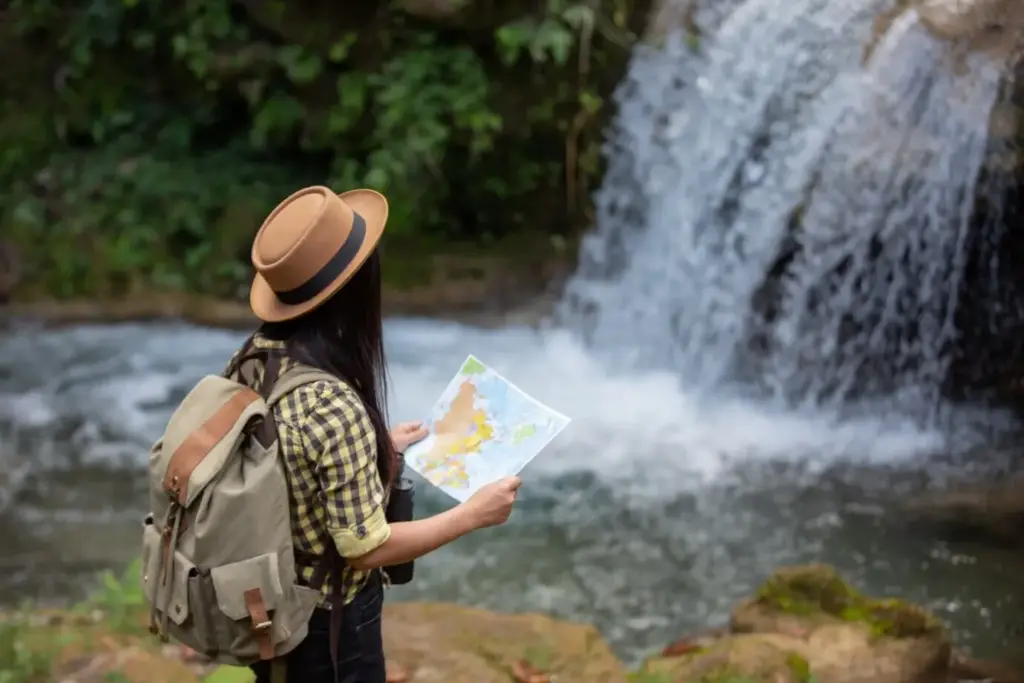
Field Stories that Stay with You
Experience ripens into narrative once boots dry and maps fold. Shared stories sharpen collective wisdom, challenge assumptions, and expand care for places still healing. These vignettes invite reflection on choices made under weather, kindness offered by strangers, and how the smallest architectural detail can reframe a day’s fatigue into gratitude’s steady, ember-warm glow that lights tomorrow’s start.
Plan Your Next Foray with the Community
Experienced paths get safer and richer when knowledge circulates. Share GPX traces with sensitive segments blurred, annotate water points, and list respectful lodging accustomed to mud-streaked boots. Subscribe for field dispatches, comment with corrections, and propose meetups where mentoring happens naturally. Together we maintain routes, map hazards, celebrate caretakers, and keep difficult beauty accessible without being exploited.
All Rights Reserved.