Set Sail Along the Memory-Rich Coast

Join us as we explore Maritime Heritage Voyages Tracing Historic Coastal Routes, following shore-hugging passages where merchants, navigators, and fishers learned to read cliffs, currents, and stars. Expect practical insights, vivid stories, and respectful ways to reconnect with the shorelines that once stitched distant communities into living, resilient networks of exchange and care.

Coastlines That Carried Civilizations

Before deep-ocean crossings became routine, coasts offered reliable guides, sheltering coves, and familiar silhouettes that transformed precarious journeys into repeatable passages. These nearshore routes nurtured markets, pilgrimages, and seasonal fisheries, turning small anchorages into bustling crossroads. Recall a harbor you love and notice how cliffs, winds, and tides choreograph movement, inviting us to see the shoreline as both pathway and patient teacher.

Craft of Navigation Where Sea Meets Land

Near the coast, navigation is choreography with landmarks, light, and sound. Mariners trusted a star to fix latitude, then cross-checked with the angle of a bell tower or the smell of tar from a working pier. In fog, they listened for surf refracting off cliffs. In dusk, they watched the sky’s reflected color on inshore ripples, turning senses into instruments.

Harbors of Exchange, Conflict, and Kinship

Coastal routes connected modest villages to empires, exchanging grain, ceramics, salt fish, and ideas. Markets bloomed beside quays where dialects mingled and rituals adapted. Not every meeting was peaceful, yet even conflict left blended customs and shared craftsmanship. In waterfront alleys, recipes, songs, and boat designs crossed borders, proving that a quay can be both classroom and hearth.

Cargoes That Changed Palates and Power

Salt cod sustained armies and cities far inland, while spices reshaped kitchens and mapped fortunes onto trade winds. Amphorae carried olive oil along rocky coasts; later, tea clippers sprinted between lighthouses and customs posts. Each crate altered taste, status, and policy, reminding us that dinner plates often reflect long wakes etched across gulfs and narrow channels.

Diasporas Woven Into Waterfront Streets

Sailors settled where storms detained them, opening bakeries, chapels, and chandleries beside unfamiliar piers. Communities formed around language and craft, yet children braided identities like ropes, learning lullabies from both parents’ shores. Street names, festivals, and boatyards still reveal layered origins. Walk slowly, and you will hear accents preserved in brick, bell, and the rhythm of caulking mallets.

Wrecks, Risk, and the Birth of Insurance

Where routes concentrated, storms and reefs took their due. Tavern corners became informal reporting stations, evolving into underwriting tables counting losses and calculating premiums. From harbor gossip grew systems that spread risk across many ventures. Grim ledgers preserved hard-won lessons, which later informed charts, lifeboat drills, and construction standards that quietly keep today’s travelers safer along familiar capes.

Beacons, Pilots, and Brave Rescues

Safety along historic coasts emerged from human commitment and ingenious tools. Lenses gathered faint flames into disciplined beams. Pilots mastered shifting bars and invisible crosswinds. Volunteer crews launched into freezing surf when strangers needed help. Each figure—keeper, pilot, lifesaver—added a thread to a net that held communities together, proving that seamanship includes compassion, maintenance, and courage under pressure.

Lighthouses and the Patient Art of Keeping

A keeper’s routine—trimming wicks, polishing prisms, noting weather—rarely made headlines, yet small errors could mislead entire convoys. Families learned to sleep in snatches, worship the ticking regulator, and read storms from barometers and birds. Their care preserved mariners’ trust, while architecture adapted to gales, ice, and waves, turning lonely towers into resilient sculptures of light and vigilance.

Harbor Pilots: Nerve, Knowledge, and Timing

Pilots met incoming vessels in skiffs or sturdy cutters, leaping aboard with practiced grace. They carried intimate knowledge of silted bends, gust corridors, and political sensitivities on crowded piers. One deft instruction could prevent a grounding or diplomatic incident. Apprenticeships were long, reputations delicate, and rewards measured in quiet arrivals that looked ordinary precisely because they were expertly choreographed.

Life-Saving Crews and Coastal Courage

When distress flares burned, neighbors became heroes. Beach carts rumbled toward the surf, breeches buoys rode lines above roaring breakers, and coxswains read whitewater like sentences. Diaries describe numb fingers, sand-choked lungs, and the hush after survivors coughed back breath. Memorial plaques honor names, yet every unrecorded rescue still echoes whenever we pass a boathouse door before dawn.

Changing Hulls, Changing Horizons

{{SECTION_SUBTITLE}}

From Sewn Planks to Riveted Plates

Early builders stitched hulls with fiber and faith, then shifted to mortise-and-tenon, clinker, and eventually carvel seams. Iron and steel opened new proportions, while anchors, winches, and bilge pumps transformed crew workload. Yet coastal design still bowed to shoals and slips, favoring lifting keels, centerboards, or flat floors that kissed sand gently instead of courting catastrophic groundings.

Steam, Telegraph, and the Coastal Schedule

Steam engines loosened dependence on capricious winds, enabling packet services that promised arrivals between capes by dusk. Telegraphs announced delays and demand, filling holds more efficiently. Ports synchronized clocks, newspapers printed reliable itineraries, and families began planning reunions with confidence. Precision brought comfort, but also pressure, as crews learned to balance punctuality against prudence when fog curled around bells.

Trace These Routes Today, Respectfully

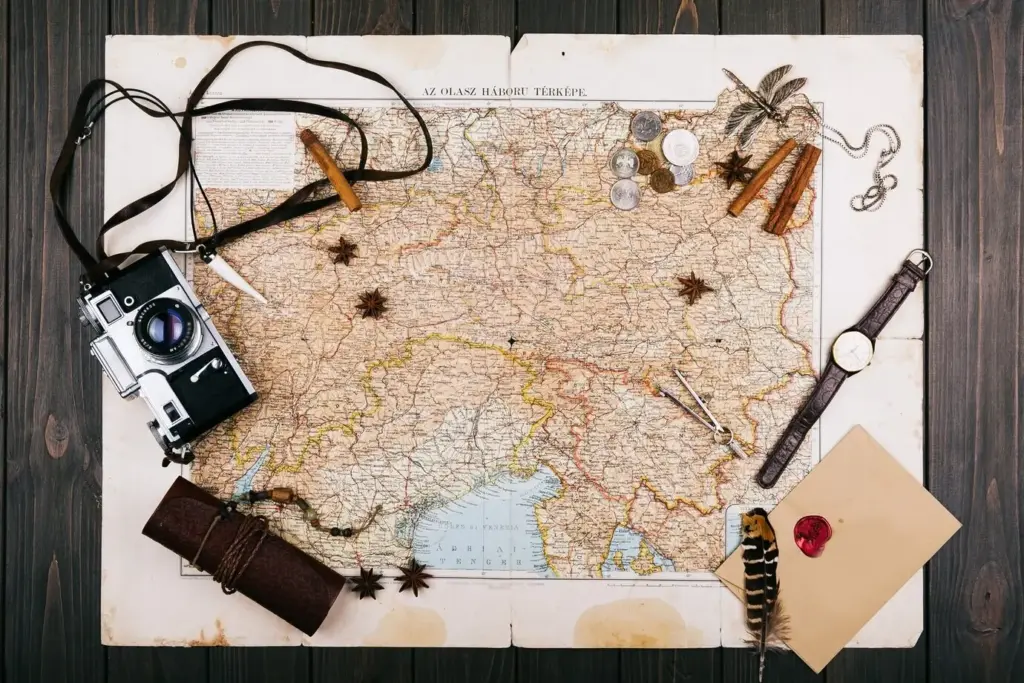
You can follow yesterday’s passages with today’s resources—historic charts, museum archives, lighthouse trails, and community guides—while honoring fragile ecosystems and local livelihoods. Build itineraries that leave harbors better than you found them, learn greetings in dockside languages, and support maritime museums. Share reflections or coastal memories below, and subscribe to receive new route ideas and practical field notes.
Rumirifefiturizo
Privacy Overview

This website uses cookies so that we can provide you with the best user experience possible. Cookie information is stored in your browser and performs functions such as recognising you when you return to our website and helping our team to understand which sections of the website you find most interesting and useful.